If you’re interested in fish farming and aquarium keeping, you’ve probably heard of reverse osmosis (RO) water . Many aquaculture experts believe that a healthy and stable aquarium is impossible without RO water. But why is this important? What are the properties of RO water? How is it used in aquariums? Are there alternatives?
In this article, we take a closer look at reverse osmosis water and its important role in freshwater and saltwater aquariums.
What is reverse osmosis water?
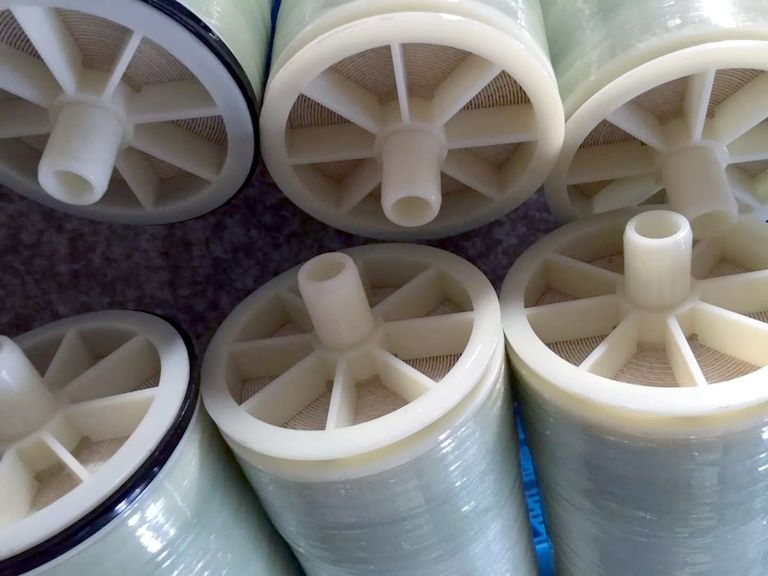
Water purified by reverse osmosis (RO) is purified using a special reverse osmosis system. Tap or well water is filtered under pressure through ultrafine membranes, removing most dissolved substances such as salts, ions, heavy metals, chlorine, nitrates, phosphates, and even microorganisms.
The result of this process is absolutely pure water with extremely low hardness and electrical conductivity . Therefore, water purified by reverse osmosis is the ideal starting point for creating optimal conditions for your aquarium.
Why is reverse osmosis water important for aquariums?
1. Water quality monitoring
Fish and corals are extremely sensitive to chemical changes in the water. While tap or well water often contains chlorine, chloramines, nitrates, and heavy metals that can harm aquatic organisms, using water purified by reverse osmosis can help reduce these risks.
2. Disease prevention
Water purified by reverse osmosis does not contain harmful compounds such as ammonia or minerals that can weaken fish immune systems and cause common diseases in aquarium fish.
3. Flexible adaptation to the circumstances
Water purified by reverse osmosis is exceptionally pure, and its parameters can be precisely tailored to the needs of each fish species by adding specific minerals or salts. This advantage is invaluable even for the most demanding aquarists.
4. Reduced algae growth
Nitrates and phosphates in drinking water are a food source for algae. Water purified by reverse osmosis removes these substances, thus slowing the growth of harmful algae.
Use of reverse osmosis water in various aquariums
1. Saltwater aquarium (corals or marine fish)
Water quality is crucial for the successful maintenance of this type of aquarium. Marine life, especially corals, is extremely sensitive. Tap water doesn’t provide the necessary stability, so most professional saltwater aquariums use reverse osmosis water. To simulate real ocean conditions, sea salt is added to this water.
2. Freshwater aquarium
In freshwater aquariums, water treated by reverse osmosis can be used, especially for sensitive fish species such as discus and tetras, to replicate their natural habitat (for example, the soft, acidic water of the Amazon). Many aquarists also use reverse osmosis water for fish breeding.
3. Planted aquarium
Aquarium plants are also sensitive to water quality. High water hardness and salinity can impair their growth. Water purified by reverse osmosis supports plant growth under optimal conditions and prevents nutrient deficiencies.
The difference between reverse osmosis water, tap water and distilled water
-
Tap water: often contains high levels of chlorine, nitrate, and phosphate and is hard; it is not suitable for untreated aquariums.
-
Distilled water: Almost pure, but not usually available in large quantities or at reasonable prices.
-
Reverse osmosis water: Similar to distilled water, but cheaper and more readily available. Considered the best choice for aquariums.
How to use reverse osmosis water in an aquarium?
-
Testing and preparation:
Water purified by reverse osmosis contains virtually no salt, so special minerals or salts (for fresh or salt water) must be added to it before filling it into the aquarium. -
Adjust parameters:
Depending on the tank type, parameters such as pH, alkalinity (KH), and total hardness (GH) may need to be adjusted. A water testing kit is the ideal tool for performing these tests. -
Mixing with tap water (in some cases):
Some aquarists mix reverse osmosis water with tap water to save money and use the solution directly. This should, of course, be done with caution and based on the results of water quality tests. -
Water changes:
Typically, during weekly water changes, part of the aquarium water is replaced with water purified by reverse osmosis to maintain stable water quality.
Low-salt solution CSM RE4021-BLN
Advantages of using reverse osmosis water in aquariums
-
Completely removes harmful contaminants
-
The ability to optimize conditions for each fish species
-
Reducing stress and disease in fish
-
Protects against sudden changes in pH or water hardness.
-
Improves the clarity of aquarium water.
Disadvantages and limitations
-
The cost of purchasing a reverse osmosis system or fresh water treatment
-
To create the right conditions, mineral restoration is necessary .
-
Wastewater generated during the treatment process (typically 2 to 4 times the volume of the treated water)
-
To ensure stable water quality, regular testing is necessary.
Precautions when using water purified by reverse osmosis
-
After producing or purchasing reverse osmosis water, be sure to check its parameters with a tester.
-
Use high-quality, proven salt for saltwater aquariums.
-
For sensitive freshwater aquariums, use a mineral supplement specifically designed for reverse osmosis water.
-
Never add pure reverse osmosis water without mineral additives to your aquarium, as this can cause shock and harm the organisms.
Finally
Reverse osmosis water is essential for successful professional aquarium care. Whether you have a saltwater, freshwater, or planted aquarium, reverse osmosis water allows you to control water quality . It’s clean and easily adjustable, allowing you to create a precise and stable environment that suits your aquatic environment.
While this requires more money and effort than using tap water, the result is a healthy, sustainable, and beautiful aquarium that is well worth the effort.