The new membrane filters we purchase are usually dry, meaning they’re new. Such membranes can be stored in warehouses until they’re needed.

Membrane filters are dried during the manufacturing process. When properly stored, dried membranes have an unlimited shelf life. During washing or hydrolysis, the membranes become wet. Once wet, they cannot be dried. Wet membrane filters require maintenance to prevent microbial growth. This is typically achieved with a 1-2% sodium metabisulfite solution.
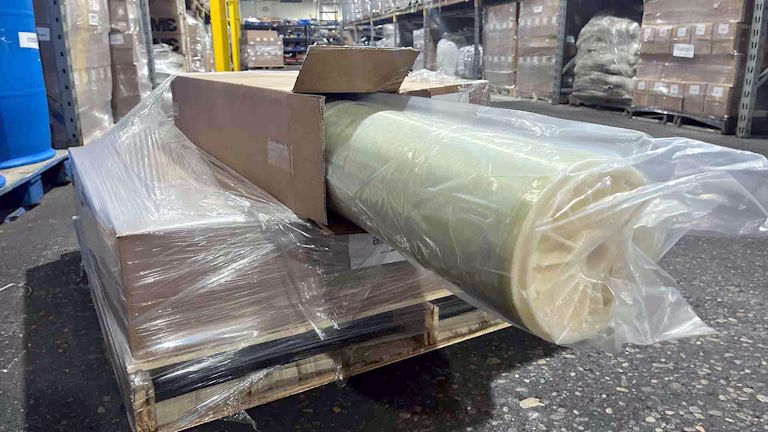
Let’s assume you buy a cheaper used membrane. These membranes can usually be thoroughly cleaned, but they are more difficult to store than dry membranes. They require regular treatment with corrosion inhibitors and storage at lower temperatures.

He represents
Membrane filters are an important component of reverse osmosis (RO) water treatment systems . They form the basis of the system and separate dissolved contaminants, salts, viruses, bacteria, and other pollutants from the water. The quality of the membrane directly impacts the purification efficiency and service life of the system.
There are two common membrane types on the market: dry and wet membranes . Many consumers and even some water treatment system installers ask themselves when purchasing: What is the difference between these two membrane types and which is the better choice?
In this article, we will comprehensively and in detail analyze the differences, advantages, disadvantages and key points for choosing between dry and wet film.
What is a wet membrane?
The word “WET ” means “wet.” WET membranes are a classic, outdated membrane filter type that has been on the market for many years.
The main feature of this type of membrane is that the membrane and its inner layer are immersed in a moist disinfectant solution (usually a glycerin solution or a similar disinfectant solution) during the production process to maintain the structure and performance characteristics of the membrane during storage and transportation.
Advantages of the WET membrane
-
Quick start: After installation and initial cleanup, you can get started quickly.
-
Proven: In use on the market for many years and reliable.
-
Less sensitive to initial installation conditions.
Disadvantages of the WET membrane
-
Limited lifetime : Due to the presence of wet solutions in the filter, the lifetime of these membranes is 6 months to a maximum of 1 year.
-
Higher weight : Due to the anti-corrosive solution, it is heavier than a dry film.
-
Potential for microbial growth : If improperly stored, microorganisms may grow in the packaging.
-
Due to the higher weight and special packaging requirements, higher shipping costs apply.
What is dry film?
The word DRY means “dry.” DRY film is a new, advanced film type that has been introduced to the market in recent years by well-known brands such as Filmtec (Dow), as well as Japanese and Korean brands.
After producing this type of film, the factory uses a special drying and vacuum packaging process to ensure that the film does not contain any preservatives.
Advantages of dry film
-
Longer shelf life : Can be easily stored for up to two years.
-
Lighter : Easier and cheaper to transport than wet materials.
-
Increased hygiene : The dryness inside the packaging prevents bacteria and microorganisms from multiplying.
-
The most popular on the world market : Most well-known manufacturers have switched to DRY.
Disadvantages of dry film
-
Requires longer installation time : After installation, an initial flush of several hours is required to activate the membrane.
-
Increased sensitivity during initial installation : If the installation steps are not performed correctly, the performance of the membrane may be affected.
The main differences between dry and wet film
| Special feature | wet film | dry film |
|---|---|---|
| Maintenance mode | wet (in solution) | Dry (without solution) |
| Period | from 6 to 12 months | from 18 to 24 months |
| Weight | Heavier | lighter |
| Possibility of microbial contamination | Yes | NO |
| Start time | Faster | Longer (needs cleaning) |
| technology | older | The latest and most advanced |
| Shipping costs | higher | fewer |
| Health and well-being | reduced | higher |
Which is better, dry or wet?
The choice between dry and wet options depends on your specific situation:
-
If you, as a private customer , want to purchase a safe, hygienic and durable film, dry film is the most convenient option.
-
If you live in an area where membrane supply is difficult or time-consuming , using the dry version is recommended as it will last longer.
-
If you are an installer and want your equipment to work perfectly immediately after installation, a wet membrane may be a better fit for you.
-
In today’s global market, most well-known brands have switched to dry production, so it can be assumed that the future market for this type of membrane is favorable.
Important points for the maintenance and use of membranes
Whether your membrane is dry or wet, you can extend its lifespan by following a few simple tips :
-
Change the pre-filters regularly : Carbon and fiber filters should be changed regularly to prevent the membrane from becoming clogged.
-
Correct installation : Correct installation is very important, especially for dry membranes.
-
Do not allow the membrane to dry out during use : If the device is switched off for a long period of time, appropriate maintenance measures must be taken.
-
Inlet water quality : If the water hardness is too high, we recommend using a water softener or a special pretreatment.
Finally
Dry and wet membranes perform the same water purification function and differ mainly in the methods of maintenance and initial preparation.
-
Wet membranes are more traditional and can be used more quickly, but they have a shorter lifespan and are more susceptible to contamination.
-
The dry membrane uses newer technology, is lighter, has a longer lifespan and is more hygienic, although the initial installation takes a little longer.
With leading global brands increasingly focusing on dry film production, it is safe to say that choosing this type makes more sense and is more cost-effective for most home and industrial users.